
Quick, Vet-Approved Answer
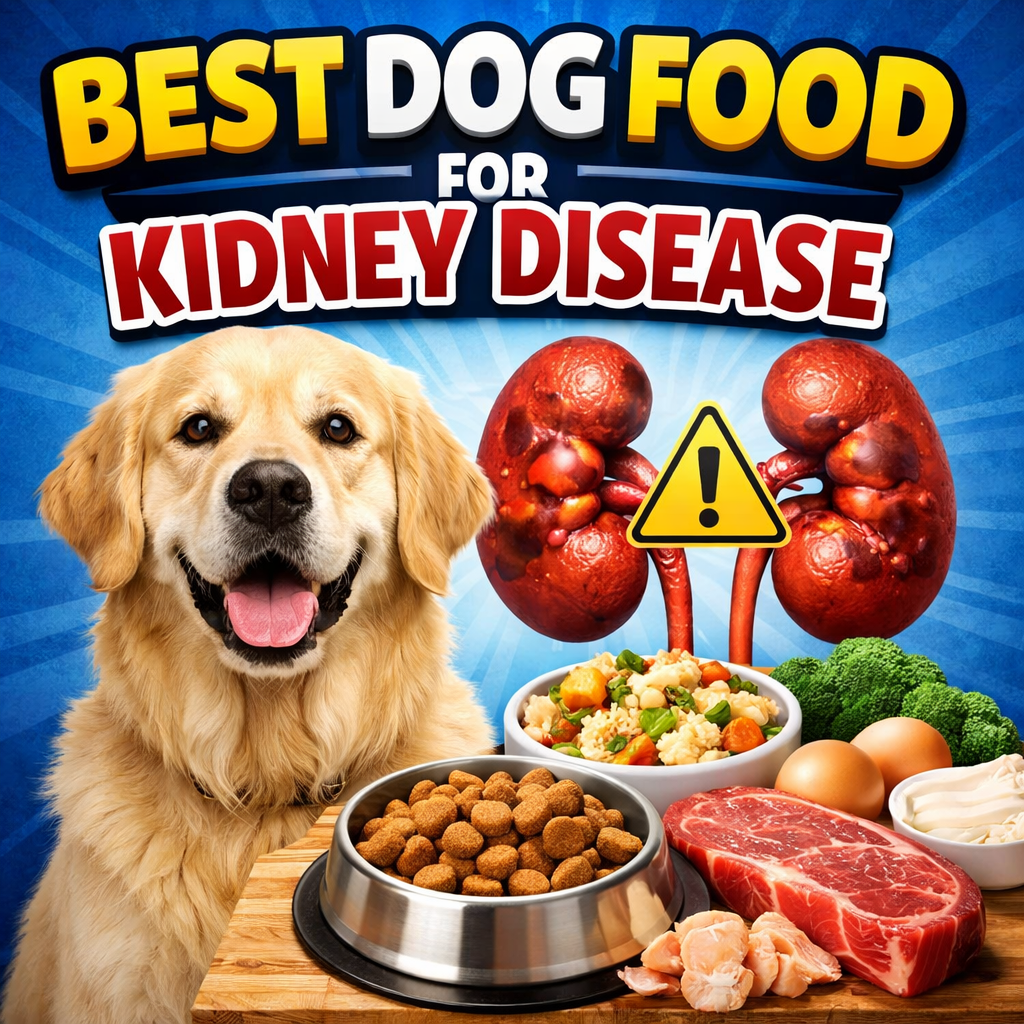
Dog food for kidney disease does not need high protein; they need controlled, highly digestible protein, low Phosphorus, adequate calories, and electrolyte balance. The right renal diet can slow down disease progression, improve appetite, and extend quality of life.
If your dog has been diagnosed with chronic kidney disease (CKD), diet is not optional, but it is treatment.
Quick, Vet-Approved Answer
Dog food for kidney disease does not need high protein; they need controlled, highly digestible protein, low Phosphorus, adequate calories, and electrolyte balance. The right renal diet can slow down disease progression, improve appetite, and extend quality of life.
If your dog has been diagnosed with chronic kidney disease (CKD), diet is not optional, but it is treatment.
What Is Kidney Disease in Dogs
Kidneys filter waste products, regulate fluids and electrolytes, and also maintain blood pressure. When the kidneys fail:
- Toxins accumulate in the blood (uremia)
- Rise in phosphorus level
- Reduce appetite
- Accelerates muscle wasting
Most dogs suffer from Chronic Kidney Disease (CKD), a progressive and irreversible condition.
Why Diet Is Critical in Kidney Disease
Clinical studies show that dogs fed on therapeutic and renal diets often live longer than on a regular maintenance diet.
Diets help by:
- Reducing the phosphorus level → slows the progression of kidney damage
- Lowering nitrogenous waste→reduces nausea
- Maintaining calories→ prevents muscle loss
- Supporting hydrarion status and electrolyte balance
No supplement can replace a renal diet.
How a Veterinarian Stages CKD
Chronic kidney disease (CKD) is typically staged using blood markers such as serum creatinine and SDMA, along with urine specific gravity and clinical signs. SDMA can detect reduced kidney function earlier than creatinine, allowing dietary intervention before advanced damage occurs.
A veterinarian uses these markers to stage CKD and guide diet and treatment decisions in dogs.
Table 1. IRIS CKD staging system for dogs showing creatinine, SDMA, proteinuria, and blood pressure markers
| Stages | Creatinine (mg/dL) | SDMA (µg/dL) | Other Markers |
|---|---|---|---|
| Stage 1 | <1.4 | <18 | Proteinuria minimal, Normal BP |
| Stage 2 | 1.4-2.8 | 18-35 | Mild proteinuria, BP may rise |
| Stage 3 | 2.9-5.0 | 36-54 | Moderate proteinuria, possible hypertension |
| Stage 4 | >5.0 | >54 | Severe proteinuria, hypertension are common |
Renal Diets by CKD Stage
The role of diet in kidney disease depends on how advanced the condition is, with nutritional goals shifting as kidney function declines.
Stage 1-2 (Early CKD)
Early dietary intervention helps reduce phosphorus burden and may delay disease progression.
Stage 3 (Moderate CKD)
Diet becomes crucial for symptom control, appetite support, and slowing down further renal damage.
Stage 4 (Advanced CKD)
Nutritional focus mainly shifts to comfort, calorie density, and palatability to maintain quality of life
Practical Considerations in Managing Canine CKD
In clinical practice, we consistently observed improvement in dogs that transitioned early to an appropriate renal diet, showing better appetite stability, reduced GIT signs, and slower progression to azotemia compared to dogs maintained on or fed regular maintenance foods.
Dog owners, we’re working with often report improved energy levels and fewer uremic symptoms once phosphorus-restricted diets are introduced correctly.
What Do You Look For on A Renal Dog Food Label: Vet Criteria
1. Controlled Protein (Not Zero)
- Require moderate protein, usually 14-18% dry matter
- Avoid a plant-heavy protein blend
- High biological value (animal origin protein)
Why Animal-Origin Protein Matters
High biological value protein from animal sources produces less nitrogenous waste per gram of usable amino acids compared to plant proteins. This means dogs receive essential amino acids while generating fewer uremic toxins, which reduces nausea and muscle loss in CKD patients.
Plant-heavy protein blends often increase total nitrogen load without improving the quality of protein.
2. Low Phosphorus
- Target < 0.5% dry matter
- Multiple peer-reviewed studies have demonstrated that dietary phosphorus restriction significantly improves survival time and reduces uremic complications in dogs with chronic kidney disease, forming
3. Adequate Calories
- Prevents muscle wasting and weight loss
- Renal dogs often eat less → food must be energy-dense
4. Sodium Control
- Prevent hypertension
5. Omega-3- Fatty Acids
- Helps in reducing inflammation
Our Dog Food Evaluation Framework
We at Furry Tail Pet Care evaluate kidney diets using:
- AAFCO compliance
- WSAVA– aligned formulation practices
- Protein and phosphorus quality
- Clinical evidence & feeding trials
- Real-world tolerance and palatability
Tier 1: Gold-Standard Prescription Kidney Diets Vet Recommended
These are therapeutic foods, not regular dog food. They are considered part of the medical treatment.
1. Hill’s Prescription Diet k/d
Why Vet Trust It
- Extensive feeding trials
- Board‑certified veterinary nutritionists
- Excellent phosphorus control
Key Nutritional Profile
- Protein → controlled. high digestibility
- Phosphorus → Very low
- Omega‑3 enriched
Best for
- CKD stages 1–4
- Poor appetite in renal dogs
Avoid if
Dogs refuse prescription foods due to a palatability issue.
Vet Insight
The gold standard renal diet has the strongest clinical evidence.
2. Royal Canin Renal Support
Why It Stands Out
- High palatability
- Multiple flavor
- Precise electrolyte control
Key Nutritional Profile
- Protein is moderate, highly digestible
- Phosphorus restricted
Best For
- Picky eaters
- Dogs with weight loss
Vet Insight
- Often succeeds when other renal diets fail due to taste
3. Purina Pro Plan Veterinary Diets NF Kidney Function
- Balanced protein restriction
- Good caloric density
- Strong research backing
- Long-term maintenance
- Dogs with stable CKD
Tier 2: Non-Prescription Use With Vet Approval
Tier 2 diets may be considered only in limited situations, when prescription renal diets are consistently refused despite appetite appetite-enhancing strategy. These options don’t replace therapeutic renal diets and should be given under a veterinarian’s guidance.
4. Forza10 Renal Active
Why considered
- Low in phosphorus compared to standard dog food
- Novel protein approach
Limitations
- Not as phosphorus-restricted as a therapeutic diet
- Limited feeding trial
Use only if
Clinical considerations
- Phosphorus levels are lower than standard foods, but not equivalent to prescription renal diets.
- Regular monitoring of serum phosphorus and renal function is advised
- Prescription diets are refused
5. Farmina N&D Renal
Pros
- Ingredient quality is high
- Better palatability than many therapeutic diets
Cons
Less published clinical data
Vet Insight
Acceptable fallback, not first‑line therapy
Foods to Avoid in Kidney Disease
- Protein-rich foods
- High phosphorus and meat meat-heavy diet
- Grain-free boutique foods with legumes
- Homemade diet without veterinary formulation
Comparision Table
| Brand | Tier | Phosphorus | Best Use | Buy Now | |
| Hill’s k/d | 1 | Very Low | All CKD stages | ||
| Royal Canin Renal | 1 | Very Low | Picky eaters | ||
| Purina NF | 1 | Low | Long-term care | ||
| Forza10 Renal | 2 | Moderate | Backup only | ||
| Farmina Rena | 2 | Moderate | Backup only |
Feeding Tips For Kidney Dogs
- Often smaller, frequent meals
- Ensure access to water
- Warm food slightly to improve smell and palatability
- Never forced food
When to Take a Dog With Kidney Disease to the Vet
Diet plays an important role in managing kidney disease, but food alone is never a substitute for veterinary care. When your dogs show signs of kidney trouble, a veterinary evaluation should always come first, before changing or starting any renal diet.
Warning Signs of Kidney Disease in Dogs You Should Not Ignore
- Anorexia lasting more than 24-48 hours
- Persistent vomiting or diarrhea
- Polydipsia and polyuria (Excessive thirst and urination)
- Muscle wasting, sudden weight loss
- Bad breath with an ammonia-like smell
- Oral ulcer or drooling
- Pale gum or dehydration
- Reduced or absent urine output
These signs may indicate worsening kidney function, uremia, or complications that require medical intervention, not just dietary changes.
Frequently Asked Questions
1. Should I Feed Low-Protein to All Kidney Dogs?
No, Protein should be controlled and not eliminated
2. Can Kidney Disease be Reversed with Diet?
No, but the progression of kidney damage can be slowed significantly.
3. Should Kidney Diets be Based on The Stage of Kidney Disease in Dogs?
Yes. Kidney diets should be prescribed based on the stage of chronic kidney disease (CKD) and the dog’s overall health. The early stage of CKD may not require strict restriction of protein, while the advanced stages need tighter control of phosphorus, protein, and sodium. Starting a renal diet too early or without proper testing can be counterproductive. Diet selection is a crucial part that always needs to be guided by veterinary diagnosis and staging
4. When Should I Switch My Dog to a Renal Diet?
As soon as CKD is diagnosed in your dog, or persistent proteinuria/phosphorus elevation is confirmed by the vet.
5. What If My Dog Refuses Renal Food?
Appetite strategy first choice, non-therapeutic diets only as a last resort under vet guidance.
Final Vet Verdict
For dogs with kidney disease, a prescription renal diet remains the safest and most effective option. Boutique or protein-rich foods may worsen disease progression.
If you can afford only one intervention, make it a diet.
Further Reading For Kidney Health
- How to transition your dog to renal food
- High-protein dog food: who should avoid it
- Kidney disease stages in dogs
FurryTailPetCare- Vet-led, science-based dog nutrition
