What Is the Best Prescription Dog Food for Pancreatitis?
If your dog has pancreatitis, choosing the right food becomes critical. A low-fat, easily digestible prescription dog food reduces strain on the pancreas and lowers the risk of painful flare-ups.
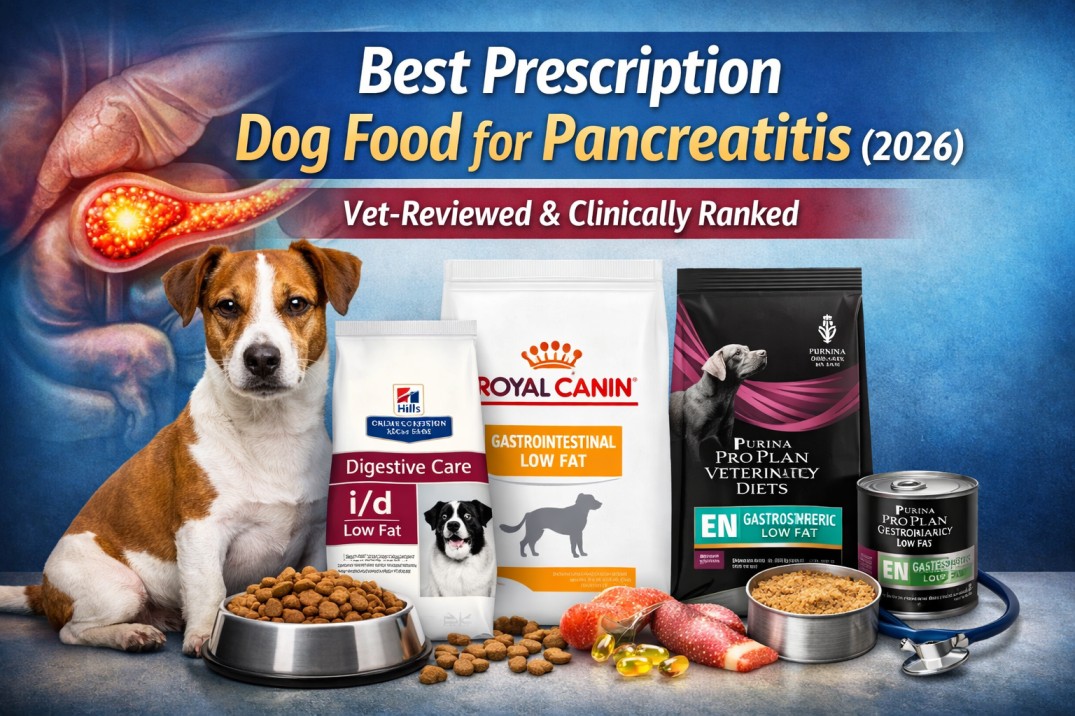
The three most clinically supported prescription options are:
| Product | Fat% DM (Dry) | WASAVA Alignment | AAFCO Method | Best For |
| Hill’s i/d Low Fat | 7.7% | Yes | Feeding Trial | Acute & chronic pancreatitis |
| Royal Canin GI Low Fat | ~6.5% | Yes | Formulation | Chronic pancreatitis, GI support |
| Purina EN Low Fat | ~5.7–6.5% | Yes | Formulation | Chronic pancreatitis |
Veterinary nutritionists commonly recommend keeping fat low, 20 grams per 1000 kcal for most pancreatitis dogs. All three of these veterinarian-recommended prescription diets meet that clinical target.
Understanding Pancreatitis in Dogs — What Every Pet Parent Needs to Know
Pancreas is most important gland located near the proximal part of duodenum in dogs. It produces digestive enzymes (exocrine function) and insulin and glucagon (endocrine function).
In pancreatitis, those digestive enzymes are prematurely activated within the pancreatic tissue itself, and trigger autodigestion and promote local and systemic inflammation
Acute vs Chronic Pancreatitis in Dogs: How Diet Needs Change
Not all pancreatitis is same; and dietary approach differs meaningfully between disease stages. Understanding which type your dog has is essential before selecting a food.
| Acute Pancreatitis | Chronic Pancreatitis |
| Sudden onset, often severe | Recurrent or persistent low-grade inflammation |
| May require hospitalization, IV fluids, pain management | Progressive acinar tissue fibrosis over time |
| Diet focus: Early, low-fat enteral nutrition, no prolong fasting1 | Diet focus: Long term fat restriction often life long |
| Prescription wet food preferred initially (hydration) | May progress to EPI or diabetes mellitus if uncheck |
Vet Insight: Early Feeding Is Now Recommended In the past, veterinarians often recommended withholding food for 24–48 hours in dogs with pancreatitis to allow the pancreas to “rest.” However, recent clinical evidence suggests that prolonged fasting may negatively affect gut motility, weaken the intestinal barrier, and contribute to protein loss in acute pancreatitis cases. Today, most clinicians recommend the early introduction of small, highly digestible, low-fat meals once vomiting is controlled. Early nutritional support helps maintain gastrointestinal health, reduces the risk of complications, and supports faster clinical recovery. Because of this shift in treatment approach, selecting an appropriate veterinary low-fat therapeutic diet early in the disease course has become a critical component of effective pancreatitis management
Common Trigger and Risk Factors
Current veterinary evidences indicates pancreatitis in dogs is multifactorial condition. Although the specific inciting cause is often not identified, the presence of certain dietary, metabolic, and systemic risk factors may significantly increase the likelihood of disease onset and progression.
- High dietary fat intake → Feeding fatty table scraps, pig ears, raw hide chews, high fat chews or calorie dense treats are most commonly reported dietary trigger.
- Obesity→ dogs with elevated body condition score (BCS) are at significantly higher risk; overweight dogs often experience more severe disease.
- Dietary indiscretion → sudden access to garbage, unfamiliar fatty food, or dietary indiscretion episode can participate in acute pancreatic inflammation.
- Endocrine comorbidities → conditions such as diabetes mellitus, hyperadrenocorticism (Cushing disease) and hypothyroidism are frequently reported in affected dogs; hypertriglyceridemia is considered a likely underlying metabolic link1
- Certain medication → Drugs including potassium bromide, azathioprine, and corticosteroid have been associated with increased pancreatic lipase (cPLI) level. However, their direct role in causing clinical pancreatitis remains under investigation.
- Idiopathic cases → the majority of pancreatitis cases in dogs occur without a clearly identified trigger,
While some risk factors such as breed predisposition or underlying disease cannot always be controlled, diet remains one of the few factors pet owners can actively modify. Therefore choosing the right food plays a central role in supporting pancreatic healing and preventing future flare-ups.
How Veterinarian Assess Fat Content When Choosing Food For Pancreatitis
Dog food labels list fat on an “as-fed” basis, which include the moisture present in the food. This can make it difficult to accurately compare fat levels; especially when evaluating wet versus dry diets.
Veterinary nutritionist therefore assess fat content on dry matter (DM) basis, which remove the effect of water and allows a more meaningful comparison between products.
Dry Matter Fat (%) can be estimated using the formula:
Fat% DM=[Fat% (as fed)÷ (100 – moisture%)] *100
For example, a therapeutic gastrointestinal low-fat dry diet that lists 5% fat (as fed) and 10.5% moisture provides approximately 5–6% fat on a dry matter basis.
Understanding dry matter fat helps pet owners compare dog foods more accurately. However, the goal is not to perform complex calculations, but ensure that selected diet provide an appropriately low-fat level to reduce pancreatic workload and support recovery.
Clinical Fat Target for Dogs With Pancreatitis Clinical recommendations from recent veterinary nutrition literature suggest that many dogs with pancreatitis benefit from diets containing approximately 5–10% fat on a dry-matter basis, although stricter fat restriction may be necessary in severe or recurrent cases. Diet selection should always be individualized based on the dog’s clinical history, body condition score, and serum lipid evaluation.
With these clinical fat targets in mind, the next step is to identify veterinarian recommended low-fat dog foods that are specifically formulated to support dog recovering from pancreatitis.
Best Prescription Dog Foods For Pancreatitis Vet Reviewed Options
The therapeutic diet listed below were selected based on key nutrition considerations including appropriate fat restriction, ingredient digestibility, and clinical suitability for dogs with pancreatic disease.
In addition to clinical considerations, diet recommendation also considered recognized nutritional standards such as AAFCO adequacy statements and WSAVA-informed nutrition principles
Prescription low-fat gastrointestinal diets are often preferred in moderate to severe pancreatitis, as their nutrient profiles are specifically formulated to support digestive tolerance and controlled fat intake
If you are unsure whether your dog has acute or chronic pancreatitis, read our complete veterinarian-reviewed guide on pancreatitis in dogs before choosing a therapeutic diet
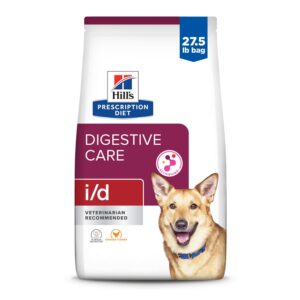
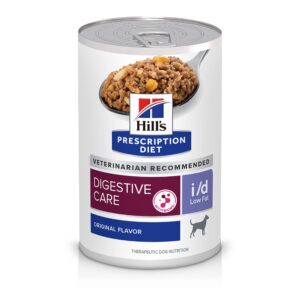
Hill’s Prescription Diet i/d Low Fat is a veterinary-recommended low-fat therapeutic dog food available in dry and wet forms for effective dietary management of pancreatitis and chronic gastrointestinal disorders.
Check Price & Availability — Hill’s i/d Low Fat
1. Hill’s Prescription Diet i/d Low Fat Digestive Care
Primary recommendation for acute pancreatitis recovery and long-term chronic management
Dogs with pancreatitis often suffer from vomiting, abdominal pain, poor appetite, and digestive instability; making proper dietary management essential for safe recovery
The table below summarizes the nutritional profile, fat content, therapeutic indications, and key ingredients of Hill’s Prescription Diet i/d Low Fat Digestive Care formula.
| Fat % DM (Dry) | 7.7% |
| Fat % DM (Wet) | ~3.5–4.5% DM lower fat, clinically advantage for acute phase |
| Crude Protein (Dry label) | Min. 20% as-fed; ~23–25% DM estimated |
| AAFCO Method | Highest standard of AAFCO compliance for adult dogs |
| WSAVA Alignment | Yes |
| Rx Required | Yes- veterinary prescription required |
| Indicated Conditions | Pancreatitis, fat-responsive diarrhea, hyperlipidemia, EPI, protein-losing enteropathy (PLE) |
| Key Ingredients (Dry) | Brewers rice, chicken by-product meal, corn gluten meal, pork fat, dried egg product, lactic acid, powdered cellulose, ginger |
| Added Technologies | ActivBiome+ prebiotic blend; Vitamin E & C antioxidants; Omega-3 (EPA+DHA) from fish oil |
| Caloric Density (Dry) | ~330 kcal/cup (as-fed basis) |
| Forms Available | Dry (27.5 lb bag), Wet Pâté (13 oz can), Wet Rice/Vegetable/Chicken Stew (5.5 oz can) |
Ingredient & Nutritional Analysis
- Brewers rice is highly digestible, low residue grain as primary carbohydrate source. It is commonly recommended for therapeutic gastrointestinal diets for dogs
- Its high digestibility reducing intestinal workload, and making it best choice for dog recovering from pancreatitis, acute gastroenteritis, or malabsorption disorder
- Chicken by-products meal serve as concentrated source of high quality animal protein and supply complete profile of essential amino acids required for tissue repair, immune function, and recovery during systemic illness.
- Ginger has anti-nausea and mild prokinetic properties ⟶ beneficial in dogs experiencing delayed gastric emptying, vomiting, or reduced appetite following acute pancreatic inflammation
- ActivBiome+ prebiotic blend is Hill’s proprietary fiber technology designed to promote beneficial gut microbiota and improve stool quality. This is clinically relevant because intestinal dysbiosis is increasingly recognized as both a consequence and contributing factor in chronic gastrointestinal inflammation.
- The presence of omega-3 fatty acid from fish oil provide modest anti-inflammatory support without substantially elevating total fat content. An important consideration in pancreatic dietary management
Strengths
- Highest AAFCO validation standard ⟶ Providing stronger real world credibility
- Clinically versatile formulation ⟶ Wet options are clinically valuable for acute phase management where hydration support and palatability are critical
- Extensive clinical usage and evidence base ⟶ i/d is one of the most extensively prescribed GI therapeutic diets in North American clinical practice
- Ginger inclusion ⟶Supports gastric motility and anti-nausea; important in the acute-to-recovery transition period
Limitations
- Ingredient sensitivities ⟶ Contains chicken and pork derivatives; not suitable for dogs with
- confirmed chicken or pork protein hypersensitivity
- Corn gluten meal inclusion ⟶A highly digestible plant-based protein source. However, it may reduce relative animal-protein amino acid density, which should be considered in dogs with higher protein demands (e.g., recovery, cachexia, athletic dogs).
- Grain-inclusive formulation ⟶Not appropriate if concurrent verified grain allergy exists
Check Price & Availability of Hill’s i/d Low Fat Therapeutic Diet
Vet Insight
In clinical practice, Hill’s i/d Low Fat is often my first-line prescription recommendation for dogs recovering from an acute pancreatitis episode; particularly when transitioning from hospital recovery to home management. The wet form of food is especially useful in the first 1-2 weeks post-discharge because it encourages intake in inappetence dogs, delivers lower absolute fat per serving, and support hydration. For long-term chronic management in dogs without protein intolerance, both dry and wet forms are clinically appropriate
Vet-Recommended Low-Fat Nutrition for Pancreatitis- Get Hill’s i/d Low Fat
Always consult your veterinarian before starting a prescription therapeutic diet for pancreatitis.
2. Royal Canin Veterinary Diet Gastrointestinal Low Fat
Strong option for long-term chronic pancreatitis management; also available in Small Dog formulation
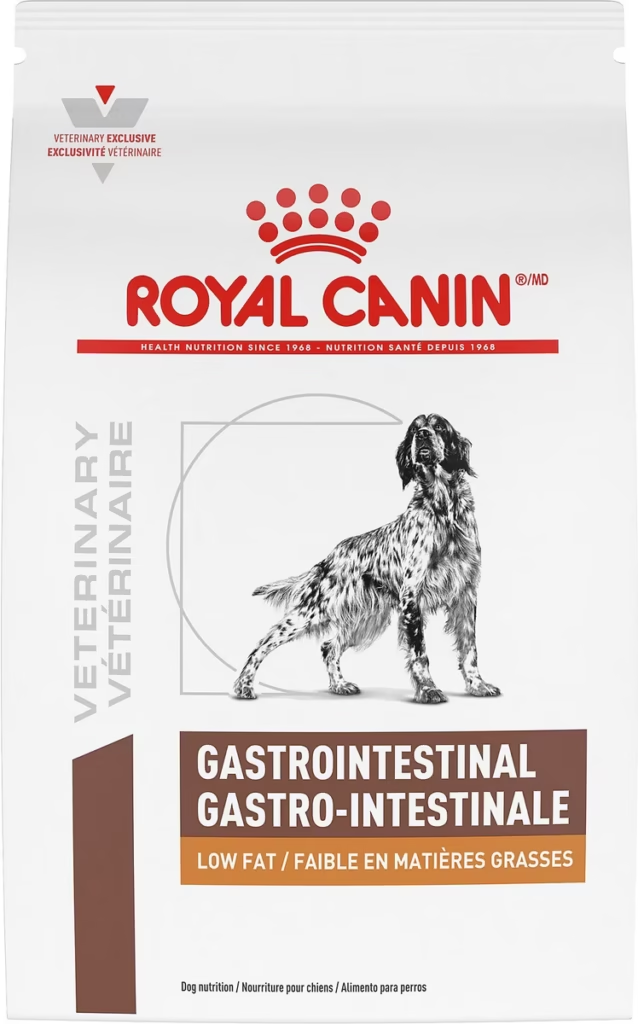
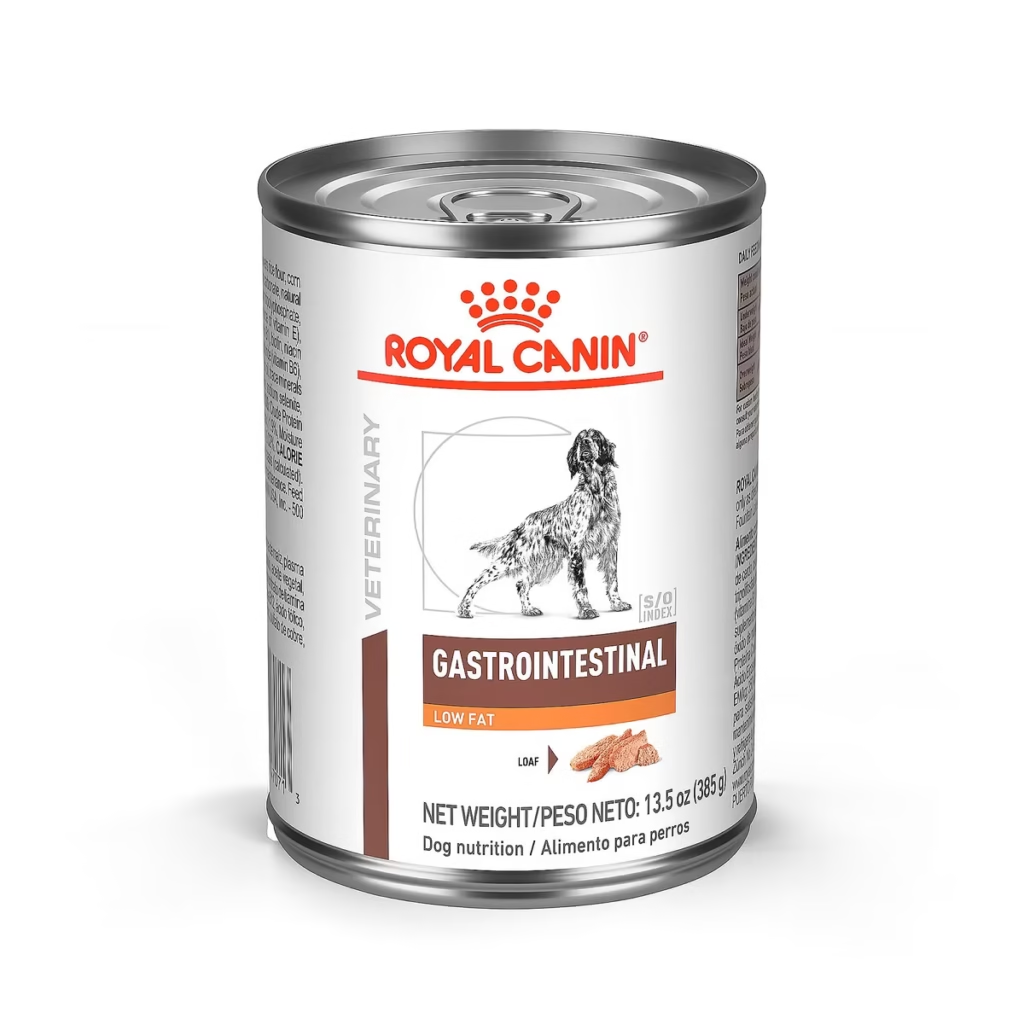
Veterinary Low-Fat Nutrition for Chronic Pancreatitis Stability
| Fat % DM (Dry) | ~6.5% DM average |
| Fat % DM (Wet) | ~4.0% DM max |
| Crude Protein (Dry label) | Minimum 20% (as-fed), 22–23% on DM basis |
| AAFCO Method | Meets AAFCO formulated nutrient profiles |
| WSAVA Alignment | Yes |
| Rx Required | Yes — veterinary prescription required |
| Indicated Conditions | Fat-restricted diet management; pancreatitis; hyperlipidemia; fat-responsive GI conditions |
| Key Ingredients (Dry) | Brewers rice, chicken by-product meal, barley, pea fiber, dried plain beet pulp, chicken fat, psyllium seed husk, fructooligosaccharides (FOS), fish oil, taurine |
| EPA+DHA | Min. 0.08% as-fed (dry) |
| Special Variant | Gastrointestinal Low Fat Small Dog (for dogs ≤22 lbs) — same nutrient targets; adjusted kibble size |
| Forms Available | Dry (28.6 lb bag), Wet (13.5 oz can), Small Dog Dry (7.7 lb bag) |
Ingredient & Nutritional Analysis
- Royal Canin Veterinary Diet Gastrointestinal Low Fat comprehensive fiber blend including pea fiber, beet pulp, psyllium, and fructooligosaccharides (FOS) as prebiotic.
- This combinations support both stool regulation and gut microbiome health, which can be beneficial for dogs with pancreatitis experiencing secondary gastrointestinal dysmotility or loose stools.
- The inclusion of taurine — while not classified as essential in dogs — is increasingly valued in therapeutic diets, particularly given the AVMA/FDA’s ongoing investigation into potential links between grain-free diets and dilated cardiomyopathy (DCM) in certain breeds. Including taurine in a prescription GI diet is a clinically cautious and appropriate formulation decision
- Its relatively low caloric density (~247 kcal/cup) allows greater feeding volume, which may improve satiety in dogs that have lost weight after an acute pancreatitis episode. However, careful portion control is important in overweight or obese dogs to avoid excessive calorie intake.
Strengths
- Comprehensive fiber matrix ⟶Multi-source fiber supports stool quality, microbiome health, and gut motility simultaneously
- Taurine inclusion ⟶Precautionary cardiac health support; clinically appropriate for breeds with DCM risk
- Small Dog variant ⟶Breed-size-appropriate formulation for Toy Poodles, Yorkshire Terriers, and other small breeds with elevated pancreatitis risk
- EPA + DHA are clearly disclosed in the guaranteed analysis, meaning the omega-3 levels are nutritionally quantified rather than simply listed as added ingredients.
Limitations
- AAFCO formulation only ⟶ Has not undergone feeding trial substantiation; this does not indicate inadequacy, but it is a distinction in evidence hierarchy
Clinical Tip — Royal Canin GI Low Fat for Chronic Pancreatitis
For dogs with well-controlled chronic pancreatitis that require long-term dietary management, the Royal Canin GI Low Fat’s fiber diversity and caloric profile make it an excellent sustained-management option. The wet form (fat max 4% DM) is useful during flare-ups. The Small Dog variant is one of the few breed-size-calibrated options in the Rx GI low-fat category; an important consideration for Miniature Schnauzers and Yorkshire Terriers that dominate the high-risk breed list
Dogs with recurrent pancreatitis benefit from a consistent, well-tolerated low-fat diet ⟶ Royal Canin GI Low Fat is designed to support long-term digestive stability.
Vet-Recommended Long-Term Diet for Chronic Pancreatitis — Get Royal Canin GI Low Fat
3. Purina Pro Plan Veterinary Diets EN Gastroenteric Low Fat
Formulated as a therapeutic low-fat gastrointestinal diet, Purina EN Low Fat helps reduce pancreatic workload while supporting nutrient absorption and gut stability in dogs recovering from pancreatitis
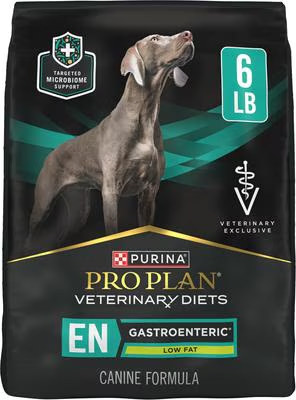
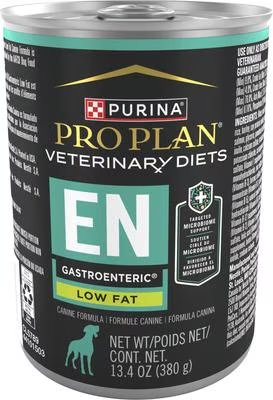
| Fat % DM (Dry) | ~5.7–6.5% DM |
| Fat % DM (Wet) | ~4-5% estimated DM basis |
| Crude Protein (Dry label) | Min. 25.0% as-fed |
| AAFCO Method | Formulation-based compliance for adult maintenance |
| WSAVA Alignment | Yes |
| Rx Required | Yes — Veterinary Authorization Required |
| Indicated Conditions | Difficulty digesting fat; pancreatitis; GI upset; fat-responsive conditions |
| Key Ingredients (Dry) | Brewers rice, barley, corn protein meal, poultry by-product meal, animal digest, beef fat (preserved with mixed-tocopherols), calcium carbonate, inulin |
| Prebiotic | Inulin (aleurone) — soluble fiber that selectively nourishes beneficial GI microflora |
| Antioxidants | High-level Vitamin E supplement (460 IU/kg per guaranteed analysis); Vitamin C (ascorbic acid, 70 mg/kg) |
| Forms Available | Dry, Canned (wet) |
Ingredient & Nutritional Analysis
- Purina EN Low Fat’s primary carbohydrate sources → brewer rice, barley both are highly digestible, low-glycemic grains
- Corn protein meal helps increase the labeled crude protein level (25%), while poultry by-product meal remains the primary animal-derived protein source
- Inulin, a chicory-derived fructooligosaccharide, acts as a prebiotic that supports beneficial gut bacteria such as Lactobacillus and Bifidobacterium → important in pancreatitis-related GI dysbiosis
Strengths
- Highest protein minimum (25% as-fed) → Supports lean muscle maintenance during recovery; important for dogs that have lost body condition during acute illness
- Inulin prebiotic → promote gut microbial balance and clinically relevant in pancreatitis-related GI dysbiosis
- Vitamin E (~460 IU/kg) provides antioxidant support → clinically relevant during the post-inflammatory recovery phase
- Very low fat density → suitable for dogs requiring strict dietary fat restriction, such as hypertriglyceridemia-prone breeds (e.g., Miniature Schnauzers) and cases of recurrent pancreatitis
Limitations
- Include beef fat preserved with mixed tocopherols as an lipid source, dogs with known beef sensitivities should be considered
- Corn protein meal contributes to the labeled crude protein percentage but offers a different amino-acid profile than animal protein; dogs with IBD or suspected protein sensitivities should be evaluated individually.
Vet Insight In dogs with confirmed hypertriglyceridemia such as, Miniature Schnauzers or in cases where strict dietary fat restriction is clinically indicated, including pancreatitis management, Purina EN Low Fat is a dry therapeutic gastrointestinal diet I commonly discuss with owners. Its controlled fat density, elevated Vitamin E antioxidant support, and prebiotic fiber that promotes microbiome stability help address multiple clinical targets simultaneously, including pancreatic workload and inflammatory recovery. The relatively higher labeled protein content may also support lean muscle maintenance in dogs recovering from prolonged illness
Check current price, availability, and vet-authorized purchase options for Purina EN Low Fat to support your dog’s pancreatitis recovery plan
Clinical Comparison of Low-Fat Prescription Dog Foods for Pancreatitis
Hill’s i/d Low Fat vs Royal Canin Gastrointestinal Low Fat vs Purina EN Low Fat
Hill’s, Royal Canine, Purina each offer low-fat prescription gastrointestinal diets designed to support dogs recovering from pancreatitis. While all three meet key clinical goals such as controlled fat intake and enhanced digestibility, they differ in formulation philosophy, fiber composition, protein levels, caloric density, and evidence validation approach.
A head-to-head evaluation of these diets helps clarify which option may be better suited for acute recovery, long-term chronic management, or cases requiring stricter fat restriction
| Product | Fat% DM (Dry) | WASAVA Alignment | AAFCO Method | Best Stage |
|---|---|---|---|---|
| Hill’s i/d Low Fat | 7.7% | Yes | Feeding Trial | Acute & chronic pancreatitis |
| Royal Canin GI Low Fat | ~6.5% | Yes | Formulation | Chronic pancreatitis, GI support |
| Purina EN Low Fat | ~5.7–6.5% | Yes | Formulation | Chronic pancreatitis |
Pancreatitis With Comorbidities: How Concurrent Disease Changes the Diet Plan
A 2025 PMC retrospective cohort study of 146 pancreatitis dogs found that dogs with concurrent systemic disease had significantly higher mortality rates than pancreatitis-only cases. Myxomatous mitral valve disease (MMVD) was the most frequent comorbidity, followed by diabetes
mellitus and CKD. This make diet selection more complex
A food optimized purely for fat restriction may be inappropriate if the dog also has cardiac disease requiring sodium restriction, or diabetes requiring consistent glycemic management
| Concurrent Condition | Dietary Consideration | Diet Strategy Note |
|---|---|---|
| Diabetes Mellitus | Fat restriction remains primary; consistent meal timing is critical for insulin synchronization. Moderate fiber (not excessive) may help glycemic blunting | Low-fat GI therapeutic diet + structured feeding schedule. Avoid high-glycemic treats. Monitor blood glucose closely at diet transitions |
| Hypertriglyceridemia (e.g., Mini Schnauzer) | Most aggressive fat restriction required. Target ≤5–8% fat DM. Address as a concurrent metabolic condition; not just a side effect of pancreatitis | Purina EN Low Fat or Hill’s i/d Low Fat. Omega-3 fatty acid supplementation (fish oil) may lower triglycerides; consult vet on dose |
| Exocrine Pancreatic Insufficiency (EPI) | EPI causes malabsorption; highly digestible protein and fat are essential. Paradoxically, enzyme supplementation (PERT) is needed before fat restriction is clinically meaningful | EN or i/d Low Fat + pancreatic enzyme powder (e.g., Viokase). Monitor weight, cobalamin (B12) levels; supplement if deficient. |
| Chronic Kidney Disease (CKD) | Phosphorus and protein restriction required for CKD; creating direct conflict with standard pancreatitis diet (higher protein). Kidney diet is typically prioritized if CKD is advanced (IRIS Stage 3–4) | Requires individualized formulation; dual-condition prescription diets are very limited. Discuss Hill’s k/d + Low Phosphorus / Hill’s i/d Low Fat blend options with a board-certified nutritionist |
| Cardiac Disease (MMVD) | Low sodium is required for cardiac management. Some pancreatitis therapeutic diets have moderate sodium levels. Sodium content must be explicitly reviewed | Check sodium on guaranteed analysis. Hill’s i/d Low Fat and Royal Canin GI Low Fat have disclosed sodium ranges; verify with your cardiologist/internist for acceptable threshold |
| Obesity / Overweight BCS 7+ | Caloric restriction required alongside fat restriction. Avoid high-fiber weight management diets; they are not highly digestible and are unsuitable as pancreatitis primary management | Therapeutic pancreatitis diet with measured caloric intake. Calculate daily kcal for weight loss target with your vet. Do not use OTC ‘weight control’ foods as pancreatitis management |
| Hyperadrenocorticism (Cushing’s) | Therapeutic pancreatitis diet with measured caloric intake. Calculate daily kcal for weight loss target with your vet. Do not use OTC ‘weight control’ foods as pancreatitis management | Therapeutic pancreatitis diet with measured caloric intake. Calculate daily kcal for weight loss target with your vet. Do not use OTC ‘weight control’ foods as pancreatitis management |